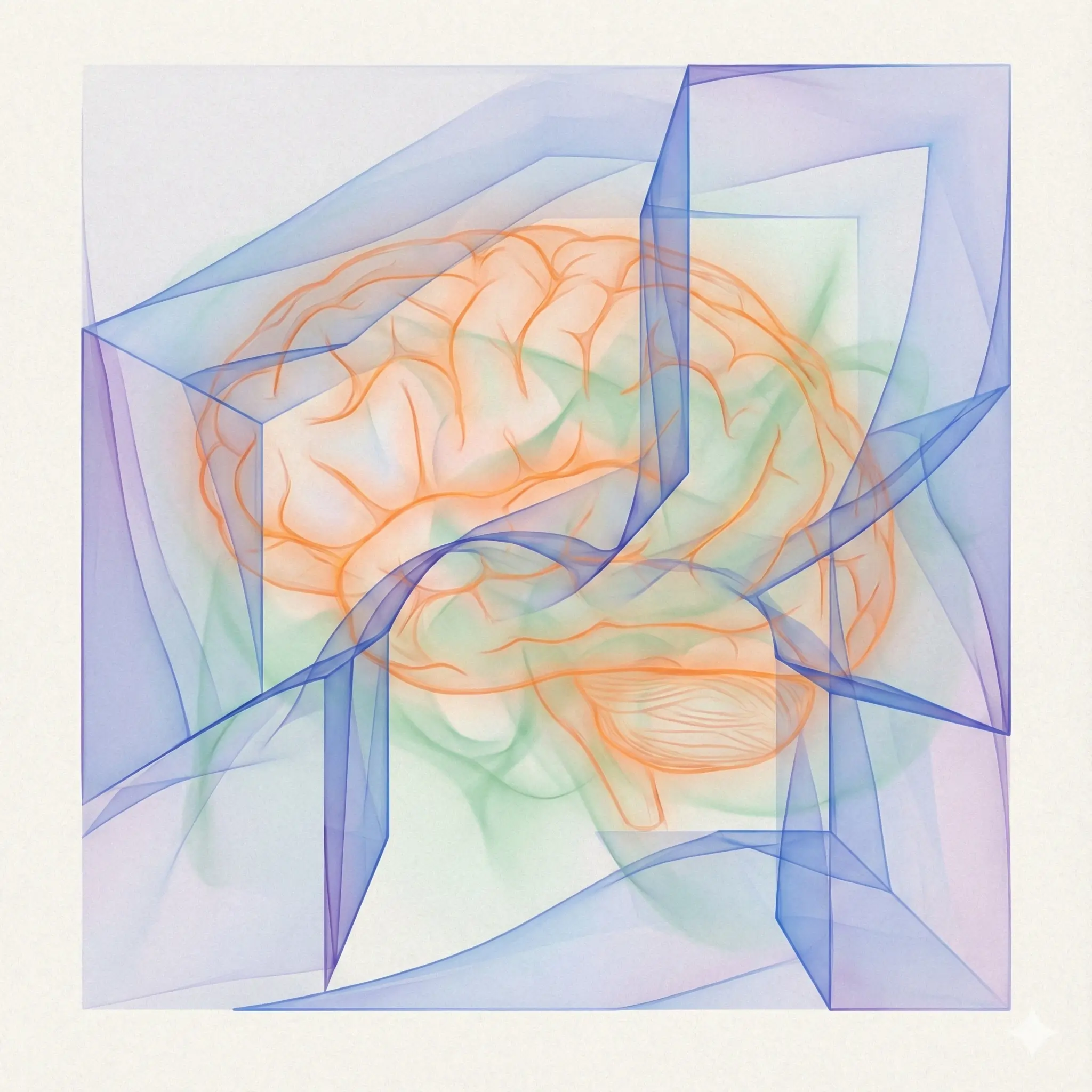
Winston Churchill famously remarked, "We shape our buildings; thereafter they shape us." In the realm of contemporary architectural discourse, this sentiment has evolved into a rigorous scientific field known as neuroarchitecture.
For too long, the discourse focused heavily on the visual—the "stardom" of the architect and the silhouette of the skyline. However, the conversation is shifting inward. We are now debating how the geometry of a room affects stress levels, how ceiling heights influence creativity, and how access to natural light regulates our circadian rhythms.
This brings a new weight to architectural criticism. It is no longer enough for a building to be structurally sound or aesthetically pleasing; it must be psychologically supportive. A hospital that looks beautiful but induces anxiety is a failure of design. A school that wins awards for its facade but dampens student concentration is functionally obsolete.
As we move forward, the most critical architectural discourse will not be about style or ornamentation, but about empathy. We are learning that design is a form of preventive healthcare, and every line drawn on a blueprint has the potential to alter the human experience.